
The Seven Summits: An In‑Depth Guide to the World’s Highest Continental Peaks

Updated: Dec 24, 2025
The Seven Summits are the highest mountains on each of the seven continents and represent one of the most prestigious achievements in mountaineering. Completing the Seven Summits requires far more than physical strength, it demands long‑term planning, technical skill development, financial commitment, and the ability to adapt to vastly different climates and environments.
This guide offers a comprehensive overview of each mountain, including location, climbing conditions, technical difficulty, and what makes each summit unique.
Understanding the Seven Summits
The concept of the Seven Summits was popularized in the 1980s as a global mountaineering challenge. While definitions of continental boundaries have led to some debate particularly regarding Europe and Oceania, the list below reflects the version most commonly accepted by modern climbers and guiding organizations.
The Seven Summits Explained:
1. Mount Everest (Asia) – 8,849 m / 29,032 ft
Location: Nepal / Tibet (China)
Mount Everest is the highest mountain on Earth and the ultimate test of high‑altitude endurance. Most climbers ascend via the Southeast Ridge from Nepal or the North Ridge from Tibet. Although these routes are not extremely technical, the altitude poses severe risks, including hypoxia, frostbite, and cerebral or pulmonary edema.
Everest expeditions typically last two months and require extensive acclimatization, fixed ropes, and supplemental oxygen for most climbers. Crowding, weather windows, and environmental impact have become increasing concerns in recent years.

2. Aconcagua (South America) – 6,961 m / 22,838 ft
Location: Argentina, Andes Mountains
Aconcagua is the highest peak in the Southern and Western Hemispheres. Often described as a "non‑technical" climb via the Normal Route, it should not be underestimated. Extreme winds, low temperatures, and altitude make it physically demanding.
Because it does not require ropes or advanced climbing techniques, Aconcagua is frequently used as a training peak for Everest or other 8,000‑meter mountains. Proper acclimatization and conservative pacing are key to success.

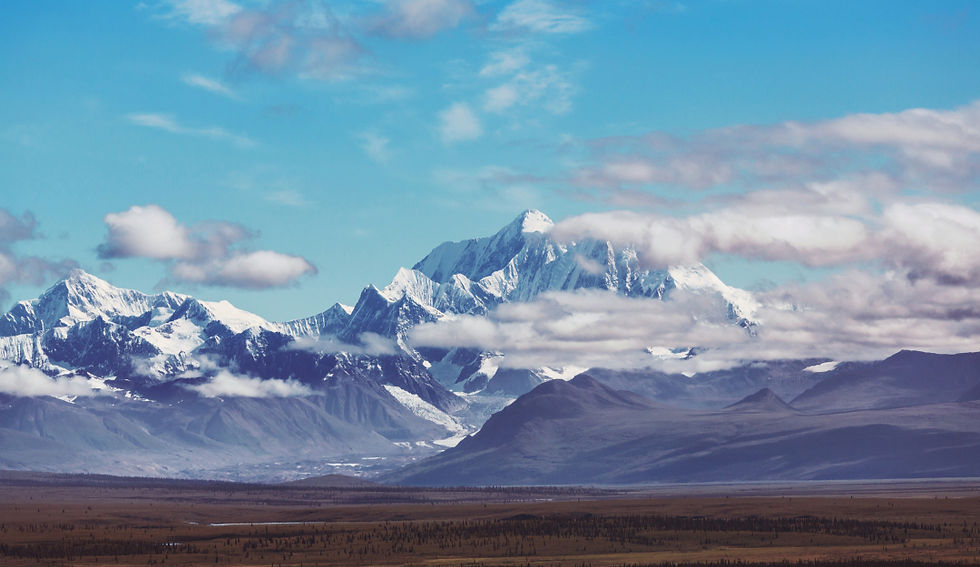
3. Denali (North America) – 6,190 m / 20,310 ft
Location: Alaska, United States
Denali is widely considered one of the most challenging of the Seven Summits due to its brutal weather and isolation. Its high latitude results in lower oxygen levels comparable to much higher peaks elsewhere in the world.
Climbers must carry and haul heavy loads, establish multiple camps, and manage crevasse‑laden glaciers. Temperatures can drop below -40°C (-40°F), and self‑sufficiency is critical, as rescue options are limited.
4. Mount Kilimanjaro (Africa) – 5,895 m / 19,341 ft
Location: Tanzania
Mount Kilimanjaro is the tallest free‑standing mountain in the world and one of the most accessible Seven Summits. The climb follows trekking routes rather than technical climbing paths, passing through rainforest, alpine desert, and arctic‑like summit conditions.
Despite its accessibility, altitude sickness is the leading cause of failure. Choosing longer routes for better acclimatization greatly improves summit success. Kilimanjaro is often a climber’s first experience above 5,000 meters.

5. Mount Elbrus (Europe) – 5,642 m / 18,510 ft
Location: Caucasus Mountains, Russia
Mount Elbrus is a dormant volcano and the highest peak in Europe. The standard route is relatively straightforward, often using snowcats or chairlifts to gain elevation early in the climb.
However, Elbrus still requires basic mountaineering skills, including glacier travel and crampon use. Whiteout conditions, strong winds, and cold temperatures are common, making weather assessment essential.

6. Mount Vinson (Antarctica) – 4,892 m / 16,050 ft
Location: Antarctica
Mount Vinson is the most remote and logistically complex of the Seven Summits. Reaching the mountain requires intercontinental flights, ski‑equipped aircraft, and temporary base camps on the Antarctic ice.
While the technical difficulty is moderate, extreme cold, isolation, and cost make Vinson a serious expedition. Climbers must be completely self‑reliant in one of the harshest environments on Earth.

7. Mount Kosciuszko or Puncak Jaya (Oceania)
Mount Kosciuszko (Australia) – 2,228 m / 7,310 ft
Mount Kosciuszko is the highest peak on the Australian mainland and can be reached by a straightforward hike. It is often considered the easiest of the Seven Summits and is sometimes excluded by climbers seeking a more technical challenge.
Puncak Jaya (Carstensz Pyramid, Indonesia) – 4,884 m / 16,024 ft
Puncak Jaya is a remote limestone peak requiring technical rock climbing, rope systems, and complex logistics. Access involves jungle trekking, political permits, and unpredictable conditions. Many climbers choose Puncak Jaya as the true representative summit of Oceania.

Training, Time, and Commitment
Climbing the Seven Summits is typically a multi‑year endeavor. Most successful climbers progress gradually, building altitude tolerance, technical skills, and expedition experience before attempting the most demanding peaks.
Training focuses on endurance, strength, mental resilience, and risk management, often supported by professional guides and structured programs.
Ethics, Safety, and Environmental Responsibility
Modern mountaineering places increasing emphasis on ethical climbing.
Responsible Seven Summits climbers respect local cultures, minimize environmental impact, manage waste properly, and prioritize safety over summit success.
Conclusion
The Seven Summits represent a unique journey through the planet’s most extreme and beautiful landscapes. Each mountain offers distinct challenges, lessons, and rewards. Whether you aim to climb a single summit or pursue all seven, thorough preparation, patience, and respect for the mountains are essential for a successful and meaningful experience. At Achievo Records, we provide an official certificate and collectible coin for every completed summit. Explore our collection and begin your mountaineering legacy today.


Comments